Mellor Country House

Mellor Country House is a lovely tranquill place to visit and is a wonderful charity.


Mellor Country House is a UK charity, built in 1907,set in three acres of garden and woodland located in the pretty village of Mellor, situated on the border between Greater Manchester and the High Peak . The charity is dedicated to providing respite breaks for groups, families, carers and individuals primarily from the nearby urban areas who could not, otherwise, have a break at all.

The Charity’s aim is to provide a safe, secure, relaxing and uplifting environment for the financially and socially disadvantaged. For many of the people who stay at the house, this break from the hardships of their day-to-day existence can, literally, be a life-saver.

Accommodation for up to 24 guests is provided in 11 bedrooms on a self-catering basis with a well equipped kitchen, dining room, restful lounges and children’s playroom. Outside, the grounds include a secure play area for toddlers, a bike track for the older children, a paved patio with barbeque, a private lawn area with benches and seating for quiet reflection. Quoted from http://www.mellorcountryhouse.co.uk/index.asp


Please look at their website : http://www.mellorcountryhouse.co.uk/index.asp


The local areas I work/ cover in is Romiley , Stockport , Woodley, Bredbury , Hyde , Gee Cross , Hazel Grove , Godley , Disley , Marple , Marple Bridge , Glossop , Poynton , Higher Poynton , New Mills , Hayfield , Whaley Bridge , Mellor. If you are not situated in one of these areas do not hesitate to contact me as other areas are considered. These do not apply for home boarding.

Aussie Dog Care Email : ATHOMPS1@sky.com

Aussie Dog Care Facebook : https://www.facebook.com/AussieDogCareUk for updates when you go away for peace of mind as well as some walking clients.

Aussie Dog Care Twitter : https://twitter.com/AussieDogCare

Aussie Dog Care

The Best Care For Your Furry Friends.

Tailoring to your needs

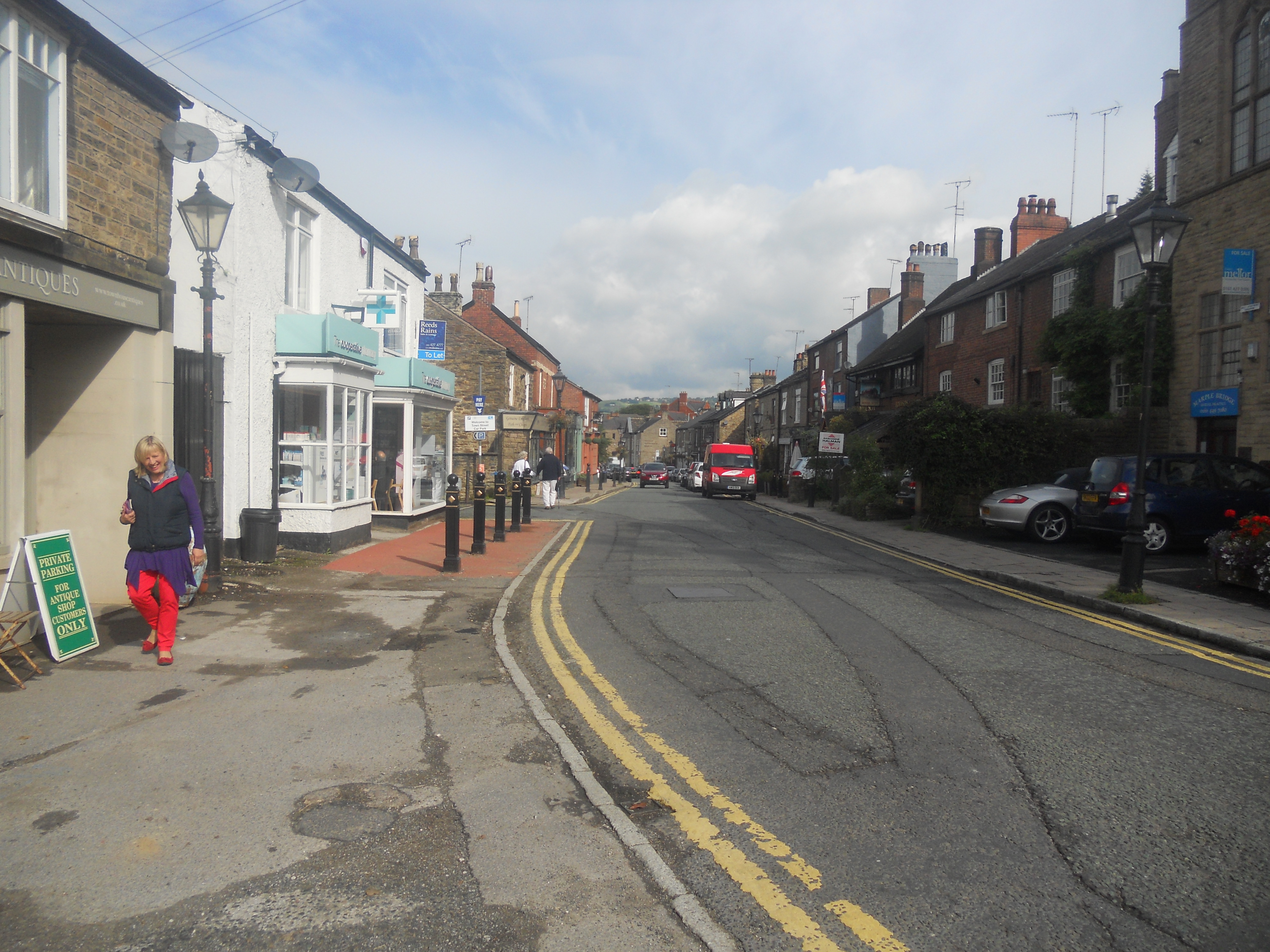
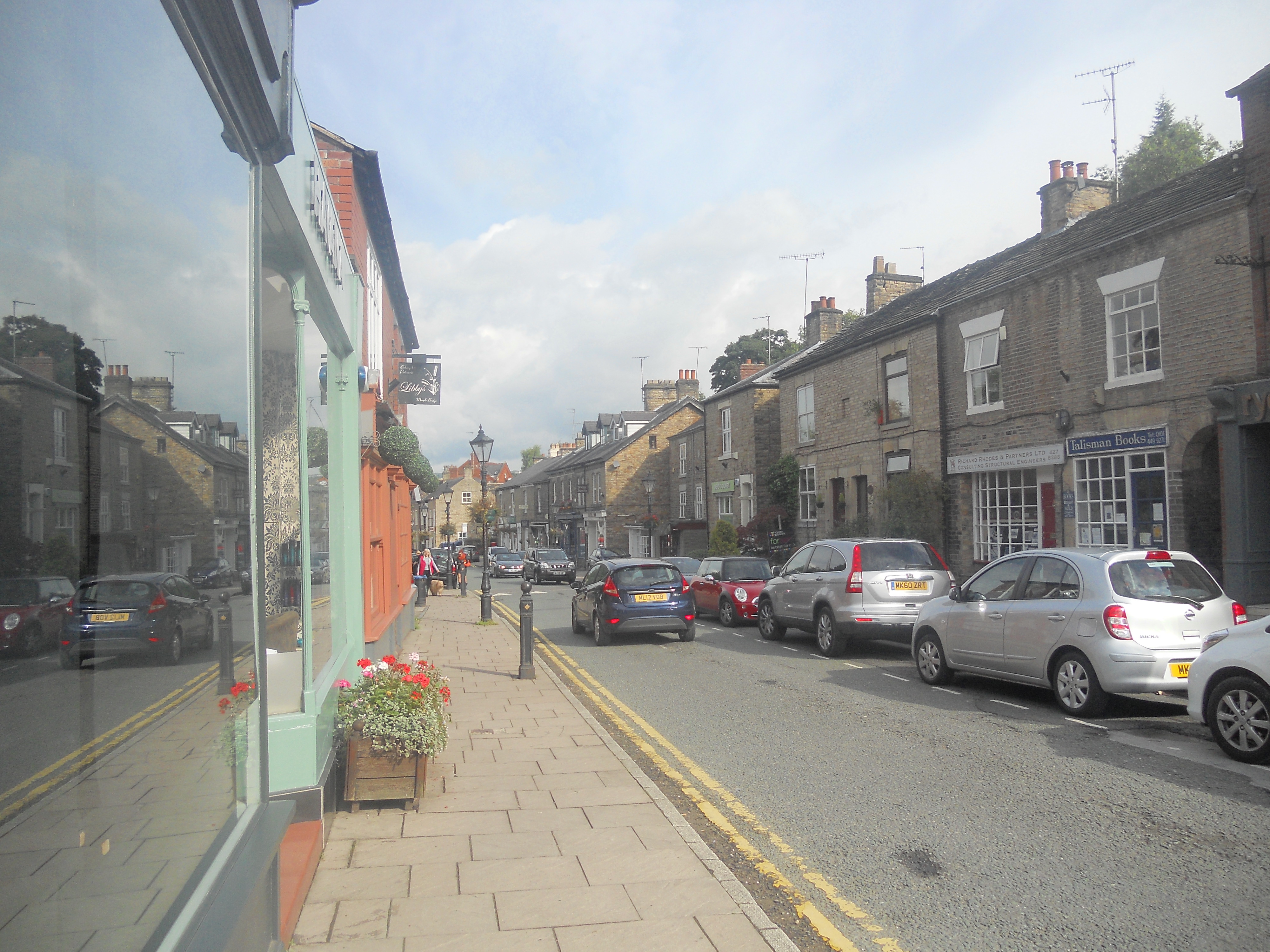
Marple Bridge with Pictures!

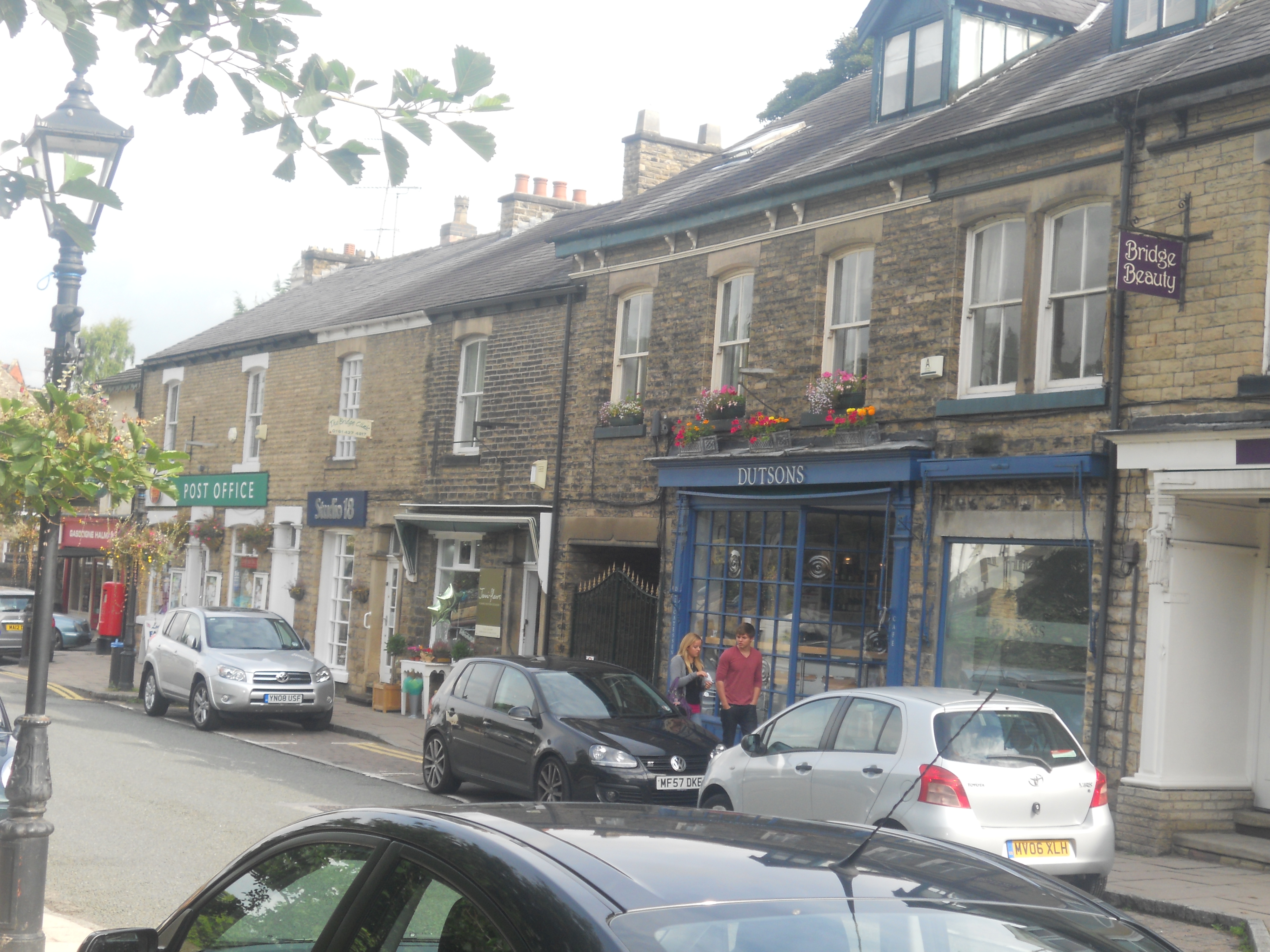
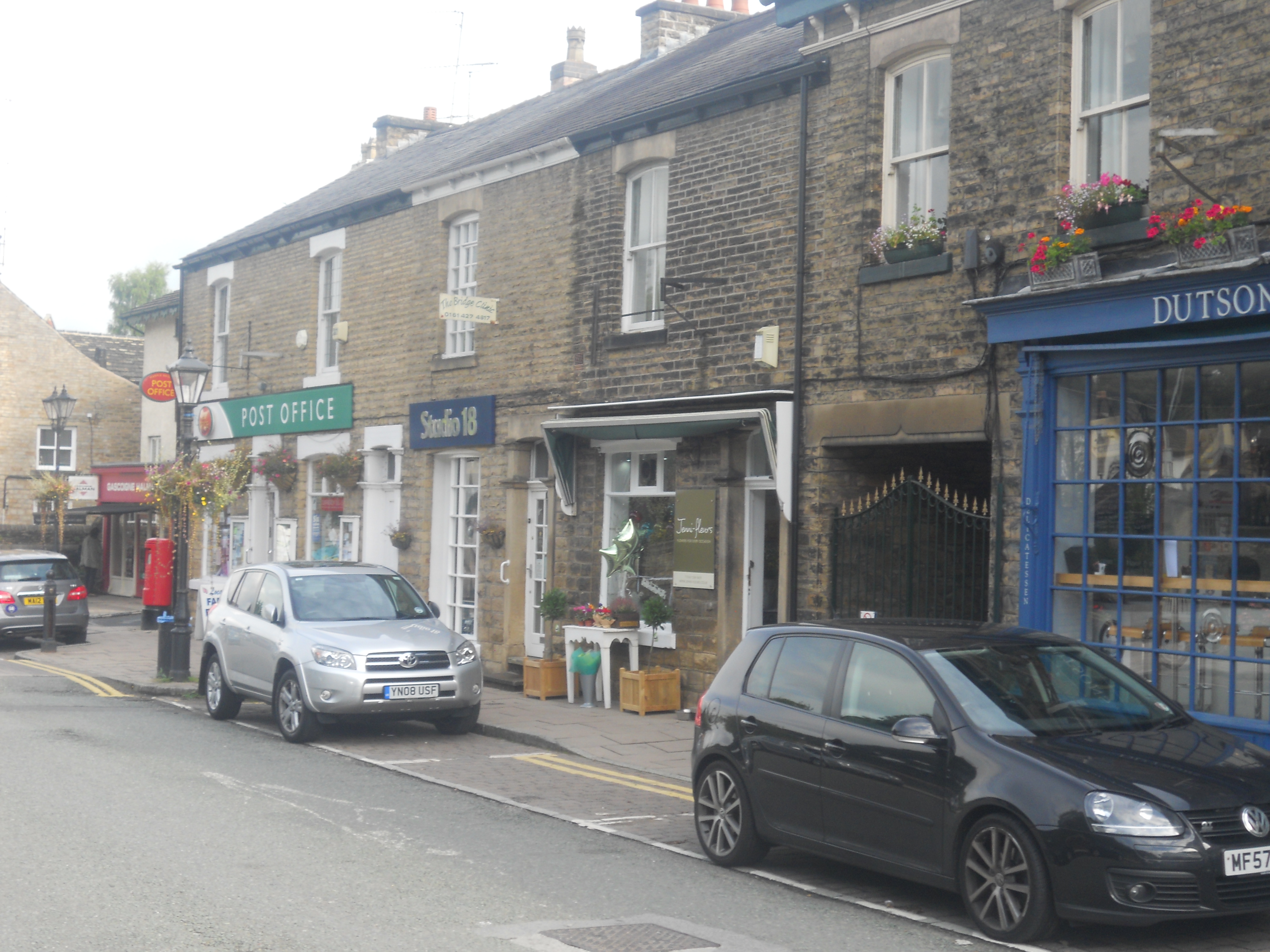
I have taken some photographs of Marple Bridge and quoted some information on one of Aussie Dog Cares many dog walks!

“Marple Bridge is a village within the Metropolitan Borough of Stockport, in Greater Manchester, England. It lies on the River Goyt, which runs through the centre of the village, and is close to the town of Marple.

Historically a part of the civil parish of Glossop, in Derbyshire, it was included in the new parish of Ludworth and Chisworth in 1866.[1] Ludworth became a separate parish in 1896, and was abolished in 1936, when the former parish was transferred to Cheshire and amalgamated into Marple Urban District.[2] In 1974 the urban district was abolished and Marple Bridge became part of the Metropolitan Borough of Stockport in the county of Greater Manchester. It shares borders with Mellor, Marple, Compstall,New MillsStrines, Mill Brow and Chisworth. It is located in the ecclesiastical parish of Mellor and the parish church of St Thomas, Mellor stands several hundred feet higher than the village, overlooking Marple Bridge, Marple, Greater Manchester and Cheshire.

Marple Bridge village centre has been designated a Conservation Area. The Conservation Area was originally established in 1974, although was extended in 2006 to incorporate Brabyns park.[3]

Stockport Metropolitan Borough Council has produced a Conservation Area Character Appraisal document, outlining the reasons that the Conservation Area has been designated as such. In justifying the reasons for designation, this document states of the town: “Marple Bridge is a predominately stone-built village situated on the banks of the River Goyt, just to the north east of Marple… Historically the location had significance as a bridging point on the route between Stockport and Derbyshire and where water power was available initially for a forge and corn mill. Marple Bridge developed from the 18th century as a small urban centre” Quoted from http://en.wikipedia.org/wiki/Marple_Bridge

Please check out this website for information on the winter wonderland this year and all things Marple Bridge! http://www.marplebridgeassociation.org.uk/

See pictures below:

Marple Bridge.
Marple Bridge.
Marple Bridge
Marple Bridge
Marple Bridge.
Marple Bridge.
Marple Bridge
Marple Bridge

The local areas I work/ cover in is Romiley , Stockport , Woodley, Bredbury , Hyde , Gee Cross , Hazel Grove , Godley , Disley , Marple , Marple Bridge , Glossop , Poynton , Higher Poynton , New Mills , Hayfield , Whaley Bridge , Mellor. If you are not situated in one of these areas do not hesitate to contact me as other areas are considered. These do not apply for home boarding.

Aussie Dog Care Email : ATHOMPS1@sky.com

Aussie Dog Care Facebook : https://www.facebook.com/AussieDogCareUk for updates when you go away for peace of mind as well as some walking clients.

Aussie Dog Care Twitter : https://twitter.com/AussieDogCare

Aussie Dog Care

The Best Care For Your Furry Friends.

Tailoring to your needs

Cat Facts!

“1. There are more than 500 million domestic cats in the world, with 33 different breeds.

2. Cats “paw” or “knead” (repeatedly treading on a spot – sometimes its owner) to mark their territory. Cats sweat through the bottom of their paws and rub off the sweat as a marking mechanism.

3. Cat urine glows in the dark when a black light shines on it. If you think your cat or kitten has had an accident in your home, use a black light to find the mishap.

4. The print on a cat’s nose has a unique ridged pattern, like a human fingerprint.

5. 25% of cat owners admit to blow drying their cat’s hair after a bath.

6. If your cat is near you, and her tail is quivering, this is the greatest expression of love your cat can give you.

7. If your cat is thrashing its tail, she is in a bad mood – time for you to keep your distance!

8. Only domestic cats hold their tails straight up while walking. Wild cats hold their tails horizontally or tucked between their legs while walking.

9. During her productive life, one female cat could have more than 100 kittens. A single pair of cats and their kittens can produce as many as 420,000 kittens in just 7 years.

10. Sir Isaac Newton, discoverer of the principles of gravity, also invented the cat door.

11. The more you talk to your cat, the more it will speak to you.

12. Kittens begin dreaming when they are over one week old.

13. A group of kittens is called a “kindle.” A group of grown cats is called a “clowder.” A male cat is called a “tom,” a female cat is called a “molly” or “queen”, and young cats are called “kittens.”

14. Cats spend 30% of their waking hours grooming themselves.

15. Each year Americans spend four billion dollars on cat food. That’s one billion dollars more than they spend on baby food!

16. Cats can make over 100 vocal sounds, while dogs can only make 10.

17. The majority of cats do not have any eyelashes.

18. Cats have been used to deliver mail: In Belgium in 1879, 37 cats were used to deliver mail to villages. However they found that the cats were not disciplined enough to keep it up.

19. In a lifetime, the average house cat spends approximately 10,950 hours purring.

20. A cat’s jaws cannot move sideways.

21. Cats rarely meow at other cats.

22. When cats are happy, they may squeeze their eyes shut.

23. Cats don’t use their voice’s natural frequency range to verbally communicate feelings such as affection, anger, hunger, boredom, happiness and fear – this would be inaudible to humans as this frequency is much lower than humans can hear. Some researchers believe cats may have learned we can’t hear them in their natural range and have
adapted so they can relate to us on our terms.

24. The reason for the lack of mouse-flavored cat food is due to the fact that the test subjects (cats, naturally!) did not like it.

25. Cats see so well in the dark because their eyes actually reflect light. Light goes in their eyes, and is reflected back out. This means that their eyes actually work almost like built-in flashlights.”

 Above quoted from http://voices.yahoo.com/25-strange-yet-interesting-facts-cats-6357612.html?cat=53

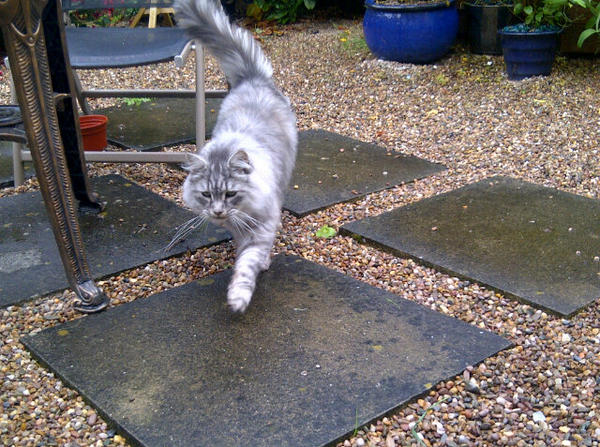
Hope you have enjoyed some intresting cat facts! At Aussie Dog Care we also offer the service of Cat Sitting.

Cat Sitting at Aussie Dog Care.

The local areas I work/ cover in is Romiley , Stockport , Woodley, Bredbury , Hyde , Gee Cross , Hazel Grove , Godley , Disley , Marple , Marple Bridge , Glossop , Poynton , Higher Poynton , New Mills , Hayfield , Whaley Bridge , Mellor. If you are not situated in one of these areas do not hesitate to contact me as other areas are considered. These do not apply for home boarding.

Aussie Dog Care Email : ATHOMPS1@sky.com

Aussie Dog Care Facebook : https://www.facebook.com/AussieDogCareUk for updates when you go away for peace of mind as well as some walking clients.

Aussie Dog Care Twitter : https://twitter.com/AussieDogCare

Aussie Dog Care

The Best Care For Your Furry Friends.

Tailoring to your needs
Roman Bridge and Lakes in Marple.

We really love our walks at Aussie Dog Care around marple so here in another fantastic and informative walk around The Roman Bridge and Lakes in Marple.

All text below is quoted from http://www.marple-uk.com/roman.htm the pdf files of this walk is avalible on their website . It is really informative and fantastic for dogs walks and family strolls.

“1) We start in the Memorial Park in the centre of Marple, home of Thomas Carver one of the owners of Hollins Mill and another of Marple’s benefactors in a later period. (Memorial Park was gifted to the people of Marple in July 1922).

2) At the junction with Arkright Road cross over and down Lakes Road. On the left where there is now a group of bungalows stood the cottages of Stone Row. The 35 cottages were built by Oldknow to house the workers at his nearby mill and their families.Carry on ahead past Beechwood Manor, formerly a house belonging to the railway but now private flats. Beechwood Manor was once the residence of Edward Ross, secretary of the M.S.L. Railway. When Ross lived here there was a footbridge connecting the manor to the garden above Marple South Tunnel. Sadly this was removed sometime in the 1970s but you can still see where it was attached to the stonework on both sides. As we descend the hill we can appreciate the difficulties the railway engineers must have experienced when carving the line along the hillside.

3) At the bridge over the River Goyt stood, on the far side, Mellor Lodge, Samuel Oldknow’s house and on this side Marple Lodge, the mill manager’s house.

In the 1930s Oldknow’s fine house became a girls’ school but later it was vandalised when it stood empty and was demolished in 1949.

In 1892 a disastrous fire destroyed the mill but the Corn Mill, which was a little apart from the main mill, escaped damage and survived until the 1930s. The Corn Mill stood close to this junction of the two paths. Little remains of Mellor Mill or Oldknow’s other buildings in this area but close investigation of the site will reveal a number of underground tunnels and foundations. In 2009 the Mellor Archaeological Trust exposed the foundations of the Corn Mill and led guided walks around the remains.Looking to the left as we make our way up Lakes Road we can see the mill pool, which was adjacent to the back of the mill. The oval shaped shuttle stone, dated 1790, that can be made out in the triangular pediment at the top of the mill in the old image below is now in Marple Memorial Park. You can see it in the foreground of the image of Hollins House at step 1 of this guide.

5) At the next junction take the path to the right. Through the trees you can see Bottoms Hall built in 1800. This is where some of the 100 apprentices lived who worked in Oldknow’s mill. The children, both boys and girls, were mostly paupers from Clerkenwell in London. They worked 13 hours a day for 4 shillings (20p) a week, but it is understood that they were well treated by the standards of that time.ontinuing along the track we pass the Roman Lake. This was a very popular spot in Victorian and Edwardian times when excursion trains would bring hundreds of visitors to Marple Station. Besides the rowing boats available for a small charge there were tea rooms and a dance floor.A little further on the river runs alongside the track and under the viaduct. The weir is where Oldknow redirected the river to form the pools that would provide water power for his mill. On the left is Flood Gates Cottage which many years ago was a popular place for refreshments for the many visitors to the area.


A little further on the river runs alongside the track and under the viaduct. The weir is where Oldknow redirected the river to form the pools that would provide water power for his mill. On the left is Flood Gates Cottage which many years ago was a popular place for refreshments for the many visitors to the area.

6) The track moves away from the river and we turn right just by the “Roman Lodge” (following the sign to Strines) to reach the Roman Bridge. The “Roman” tag was coined in Victorian times to add a little romanticism to this packhorse bridge dating back to the 17th century.

Crossing the bridge we follow the path beside the river ignoring the steps on the right. The path joins a narrow road near two cottages and then makes its way up the hill to Strines Road. Cross over and up Plucksbridge Road. As the canal is reached, turn right to enter the towpath just before the bridge.

7) This is the Peak Forest Canal and Oldknow was a major sponsor for this waterway. The canal runs 6½ miles to Whaley Bridge and Buxworth and it was here that limestone was brought down from the Peak District by tramway. As we make our way along the towpath there are extensive views across the valley to Cobden Edge and Mellor Church.

Brickbridge is a roving bridge where the towpath changes sides and you will notice that we pass under the bridge before circling round to cross it. This was to enable the rope of the horse drawn narrowboats to remain attached.8) Some 200 yards short of Brickbridge the canal on the far side is a little wider, and marshy ground leads into a woody section. This was the site of one of Oldknow’s coal mines used for burning of the lime in the kilns.

As you cross the bridge you will notice a door set in the wall ahead. This leads to another Oldknow coal mine and also a footpath leading up to All Saints’ Church which was used by the apprentices on their way to Sunday worship.

9) Turning right to follow the towpath, ahead we can see a number of boats moored in a pool off the main canal. This was adjacent to the top of the Lime Kilns where the lime and coal was dropped into the kilns. Such was Oldknow’s concern that the Lime Kilns did not present an eyesore, that he built them in a gothic style that led later to visitors to the area to assume it was a ruined abbey.

Top Lock House was the site of James Jinks boat building yard. Cross the bridge at the Macclesfield Canal junction. [ If you would like too see what remains of the Lime Kilns cross the bridge at the end of the top lock and go on past the bungalows.]


Make your way past the top four locks of this flight of sixteen. Pass under Posset Bridge using the short horse tunnel and make your way back to the car park”

The local areas I work/ cover in is Romiley , Stockport , Woodley, Bredbury , Hyde , Gee Cross , Hazel Grove , Godley , Disley , Marple , Marple Bridge , Glossop , Poynton , Higher Poynton , New Mills , Hayfield , Whaley Bridge , Mellor. If you are not situated in one of these areas do not hesitate to contact me as other areas are considered. These do not apply for home boarding.

Aussie Dog Care Email : ATHOMPS1@sky.com

Aussie Dog Care Facebook : https://www.facebook.com/AussieDogCareUk for updates when you go away for peace of mind as well as some walking clients.

Aussie Dog Care Twitter : https://twitter.com/AussieDogCare

Aussie Dog Care

The Best Care For Your Furry Friends.

Tailoring to your needs
House-training an older dog.

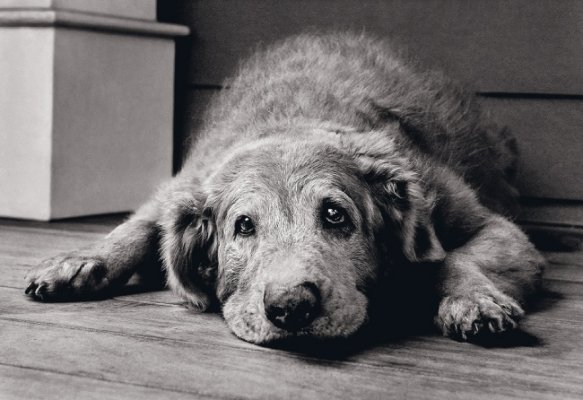
At Aussie Dog Care we realise it is not just puppies that need house training so therefore he are some amazing tips from the Blue Cross.

Below information quoted from http://www.bluecross.org.uk/1958-2786/house-training-an-adult-dog.html

Oldies helps find older dogs a new home – http://www.oldies.org.uk/”

From http://vvicrew.com/teaching-old-dogs-new-tricks/

What to do

Before starting the new routine

Carefully clean all areas your dog has previously soiled using a warm solution of biological washing powder (for example, a teaspoon of powder dissolved in a cup of warm water) or a specially formulated product from your vet, which will remove all traces of the smell from your house.

Every day

When you first wake up, last thing at night and every hour during the day, take your dog outside to a place in your garden that you have chosen and let your dog walk up and down or run about and sniff the area (both exercise and sniffing helps stimulate elimination).

Put soiled newspaper or faeces in this area so that the smell tells your dog where to go next time. Stay out with your dog and patiently walk up and down for at least five minutes. If your dog starts to go to the toilet, give praise. It is important that, for the first two weeks, there is constant supervision so that your dog cannot go to the toilet in the house.

During the times that you cannot supervise your dog or when you go to sleep, confine the dog to bed. You need to find a suitable way to do this, either by restricting them to bed with a barrier, or investing in an indoor kennel. A dog will become accustomed to this, without making a noise or trying to break out, when left there for short periods of time.

Few dogs soil their own bed and, if confined to bed, they are unlikely to relieve themselves. Although it is unfair to confine them for long periods, this does provide a way of preventing them from soiling the house for short periods when you cannot supervise. This avoids perpetuating bad habits at times when you need to concentrate on other things.

Between trips to the garden, supervise your dog continually when in the house. This means keeping your dog in view at all times and being aware of what the dog is doing. When unable to supervise, confine them to bed, but do not leave your dog there for long periods of time.

When you see your dog about to toilet in the house

If about to go to the toilet indoors, take your dog immediately to your chosen place in the garden and praise the dog by giving a food treat or a game with a favourite toy. It is essential your dog associates going to that place with a reward. Catching in time means your dog will still need to go. Wait until the dog has performed and praise well.

When you find a puddle or mess

Do not punish your dog for any “accidents” discovered too late. It may make you feel better but it is most unpleasant for your dog and ultimately does not teach anything. Consider that these accidents are now your fault rather than the dog’s since you were not supervising closely enough.

You need to continue with this routine for at least two weeks. During this time, your dog learns about getting praise for going to the toilet outside and, since there is no chance to go inside, the habit of going outside develops. Throughout these first two weeks and for a while afterwards, continue to go out with your pet to the garden in order to praise them until the training is firmly established in your dog’s mind.

After two weeks of the above routine, gradually increase the time between visits to the garden. Your dog will eventually want to go to the toilet at a time other than the one you select. At this time, your dog will probably become more active or may wander over to the door. Watch for a change in behaviour and take the dog out quickly. Gradually, as you begin to be able to recognise the signs that mean your dog needs to go, you can relax your supervision in the house.

Specific signals that indicate that your dog wants to go out may include running to the door, whining or just being generally restless. Reinforce these signals by letting your dog out and the dog will soon be asking to go out whenever the toilet is needed. House training will happen more easily if you keep to the same pattern of feeding and exercising each day.

At night

The easiest solution is to position your dog’s bed somewhere outside your bedroom door and confine your pet in the usual way. Leave your bedroom door open so that if your dog wakes up and needs to go during the night, you will hear whining or moving around. Get up and take your dog outside, following all the daytime procedures. Confine your dog to the bed once more when you come back in.

Do not leave a dog confined to bed all night without you being available to go out when the dog really needs to go. Not only is this unkind but, if you force your dog to mess in the bed, the dog may develop a habit of doing this and you have lost the chance of teaching your dog to be clean.

If your dog is likely to bark when left in the bed at night, either allow this for a few nights and ignore the barking (your dog eventually learns barking is not rewarded and ceases to do it) or teach your dog to get used to being confined to the bed more gradually, during the day, so that your dog can tolerate it at night.

When you go out

If going out for less than two hours, you could leave the dog confined to bed in the usual way, but ensure the animal cannot be hurt when confined. Make sure your dog had the chance to exercise and go to the toilet before doing so. If you will be out for two hours or longer, do not confine your dog. Leave the pet in one room only and cover as much of the floor area as possible with a large sheet of polythene covered with newspaper.

This does not teach your dog to be clean but makes any mess easier to clean up and prevents the house becoming soiled. Do not scold or punish if you find that your dog has gone to the toilet on the floor when you return.

“He knows he has done wrong!”

Some owners comment, “He knows he has done wrong, because he looks guilty”. In fact, the dog has learned that if humans walk into a room where there is a mess on the floor, a telling off or punishment follows. Your dog is actually showing submission to you, hoping you obey the law of the pack and stop your aggression. Unfortunately, a submissive posture can look like a guilty one to us and we often mistakenly believe the dog knows what they have done is wrong. We then conclude that any mess in the house is done on purpose or because the dog is too lazy to go outside. We are likely to punish more as a result, which often makes the problem worse.

“Don’t go when humans are around”

Some dogs learn just one thing about house training – that it is wrong to go to the toilet in the house in front of their owners. This is because they would have been scolded or punished if caught in the act of going in the house. Puppies are often put out into the garden and left there. Once outside, a puppy that finds being alone very uncomfortable concentrates on getting back inside to the owner, rather than learning to go to the toilet outside.

Hence, dogs often learn that it is wrong to go in the presence of humans but never learn that it is wrong to go in the house. Consequently, the only option is to wait until the owner is not looking or sneak away into another room when they want to relieve themselves.”


The local areas I work/ cover in is Romiley , Stockport , Woodley, Bredbury , Hyde , Gee Cross , Hazel Grove , Godley , Disley , Marple , Marple Bridge , Glossop , Poynton , Higher Poynton , New Mills , Hayfield , Whaley Bridge , Mellor. If you are not situated in one of these areas do not hesitate to contact me as other areas are considered. These do not apply for home boarding.

Aussie Dog Care Email : ATHOMPS1@sky.com

Aussie Dog Care Facebook : https://www.facebook.com/AussieDogCareUk for updates when you go away for peace of mind as well as some walking clients.

Aussie Dog Care Twitter : https://twitter.com/AussieDogCare

Aussie Dog Care

The Best Care For Your Furry Friends.

Tailoring to your needs