Staying Safe on Dog Walks

At Aussie Dog Care safety is key and on walks dogs always come first! Here are some key tips whilst dog walking from Your Dog.

“Our own safety and well-being often takes second place to our dogs when out on walks, but while such concern is understandable, it’s not always wise. There can be many potential dangers lying in wait and putting yourself first isn’t being selfish but sensible – but safe. After all, if you’re safe it’s more likely your pet will be too. Obviously there is no way you can completely guarantee your safety but there are a number of ways in which you can certainly minimize the risks.

Dress for the occasion

No matter how keen your dog id to go for a walk, take time to kit yourself out properly before leaving, Sensible footwear is vital to help keep your balance if your dog suddenly pulls on the lead as well as when tackling loose, wet or muddy surfaces, even if your just popping out for a short stroll you might need to run in an emergency.

Wear appropriate clothes, bearing in mind that the weather can change dramatically in some places, particularly in mountainous or moorland areas. If you are going to be out in the dark or when it is dul or misty, don’t just kit your dog out in high vis gear, wear it yourself -if nothing else it will ensure that joggers using the same paths don’t collide with you.

When you dog is running loose put his lead in your pocket or hold it in your hand – don’t loop it around your neck where it could be grabbed by someone. Before you go Get a weather report before setting out and be prepared to disappoint your dog by either turning back or taking a safe, shouter route if conditions deteriorate. When out in milder, more remote regions pack a rucksack with extra survival kit in case of an emergency. No matter where you’re going always take your mobile (make sure it is fully charged) and whistle just in case you need to call for help or to alert rescuers to your position. And although it seems obvious, an often neglected precaution is simply to tell someone where you’re going and how long you expect to be, even if your just planning to go around the block.

Stay alert

Chatting on your mobile or wearing headphones will make it easier for others to sneak up on you and you lack of concentration could even single you out as a tempting target for would-be attackers. Don’t daydream – as well as watching what your dog is up to and keeping an eye out for potential problems from other walkers and dogs, try to be aware of where you’re putting your feet. If you stumble down a pot hole, trip over a tree root or miss your step on rutted ground you could twist your ankle or worse. Make sure your vision isn’t impared by a hood-they are warm but restrict peripheral vision and you have to turn your whole body instead of just your head to glance behind you. If it’s chilly or wet wear a separate hat instead.

Livestock and wildlife

Although walking in the countryside is statistically safer than in the city, don’t be complacent in open areas. By law you must control your dog so that he doesn’t scare, worry or disturb farm animals or wildlife. On most areas of open country and common land you should keep your dog on a fixed lead no longer than 6ft long between March 1 and July 31 (the season for all ground nesting birds) and at all times of the year near livestock. Livestock can sometimes behave unpredictably, particularly cattle. Cows with calves may become aggressive if they think their young are threatened, while young cattle are often inquisitive and may gallop up to you.

Take sensible precautions – Never walk between a cow and her calf, don’t shout or wave sticks at them and head for the nearest exit if you feel threatened. If necessary let your dog loose while you make your escape – the cow is likely to loose interest in you and your dog can run faster. Wildlife can equally be protective of their young – hinds can be aggressive at calving time and there has been reports of them charging dogs and walkers.

And don’t forget to…

  • Use up to date maps, know how to read them and use a compass.
  • Take advice or stick to marked paths in areas where there are bogs and quicksands.
  • Check whether restrictions are in place before exercising your right to roam.
  • Never ignore warning signs.
  • Exercise care when crossing fast-flowing steams particularly after heavy rains when water levels can rise rapidly and flash floods can occur.
  • Avoid dark, poorly lit alleyways and paths during early morning or late night walks. Use pavements where possible; if there isn’t one , walk on the side of the road facing oncoming traffic , crossing to the other side on right hand bends.”

Above quoted from http://www.yourdog.co.uk/
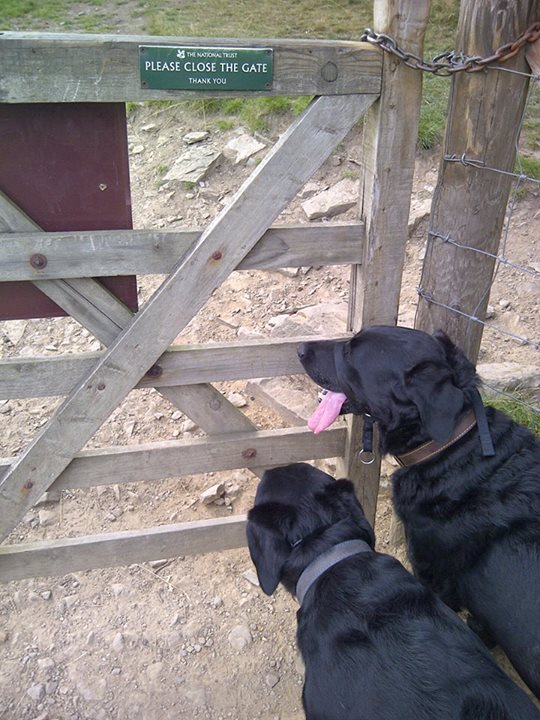
Dog Walks.
Dog Walks.

The local areas I work/ cover in is Romiley , Stockport , Woodley, Bredbury , Hyde , Gee Cross , Hazel Grove , Godley , Disley , Marple , Marple Bridge , Glossop , Poynton , Higher Poynton , New Mills , Hayfield , Whaley Bridge , Mellor. If you are not situated in one of these areas do not hesitate to contact me as other areas are considered. These do not apply for home boarding.

Aussie Dog Care Email : ATHOMPS1@sky.com

Aussie Dog Care Facebook : https://www.facebook.com/AussieDogCareUk for updates when you go away for peace of mind as well as some walking clients.

Aussie Dog Care Twitter : https://twitter.com/AussieDogCare

Aussie Dog Care

The Best Care For Your Furry Friends.

Tailoring to your needs

Professional Dog Walker Stockport

Dog Walking

I offer Dog Walking for owners who may be out at work all day , busy , someone elderly that would like companionship but needs help with walking or if you just feel like going out all day for relaxation without the dog !

At Aussie Dog Care I promote myself in being a friendly , reliable and professional dog walker. I will always try to walk your dog in an area that they  know and is suitable for the dog

We aim to give the right amount exercise desired by the breed making sure your dog is happy and tired when you come back home . At Aussie Dog Care we also tailor all walks to what you as an owner desire for you dogs.

On an ordinary Aussie Dog Care walk we will collect your dog from your home at a time you have given and walk for the specific time you have asked for perhaps longer. If your dog is wet or muddy I will dry all dogs as no muddy paw prints are left on the floor!

Aussie Dog Care as a business promotes itself in being a small family run business that walks local around Romiley. Dogs are never walked in a pack as I totally disagree with this method of walking.

Dog Walks At Aussie Dog Care.
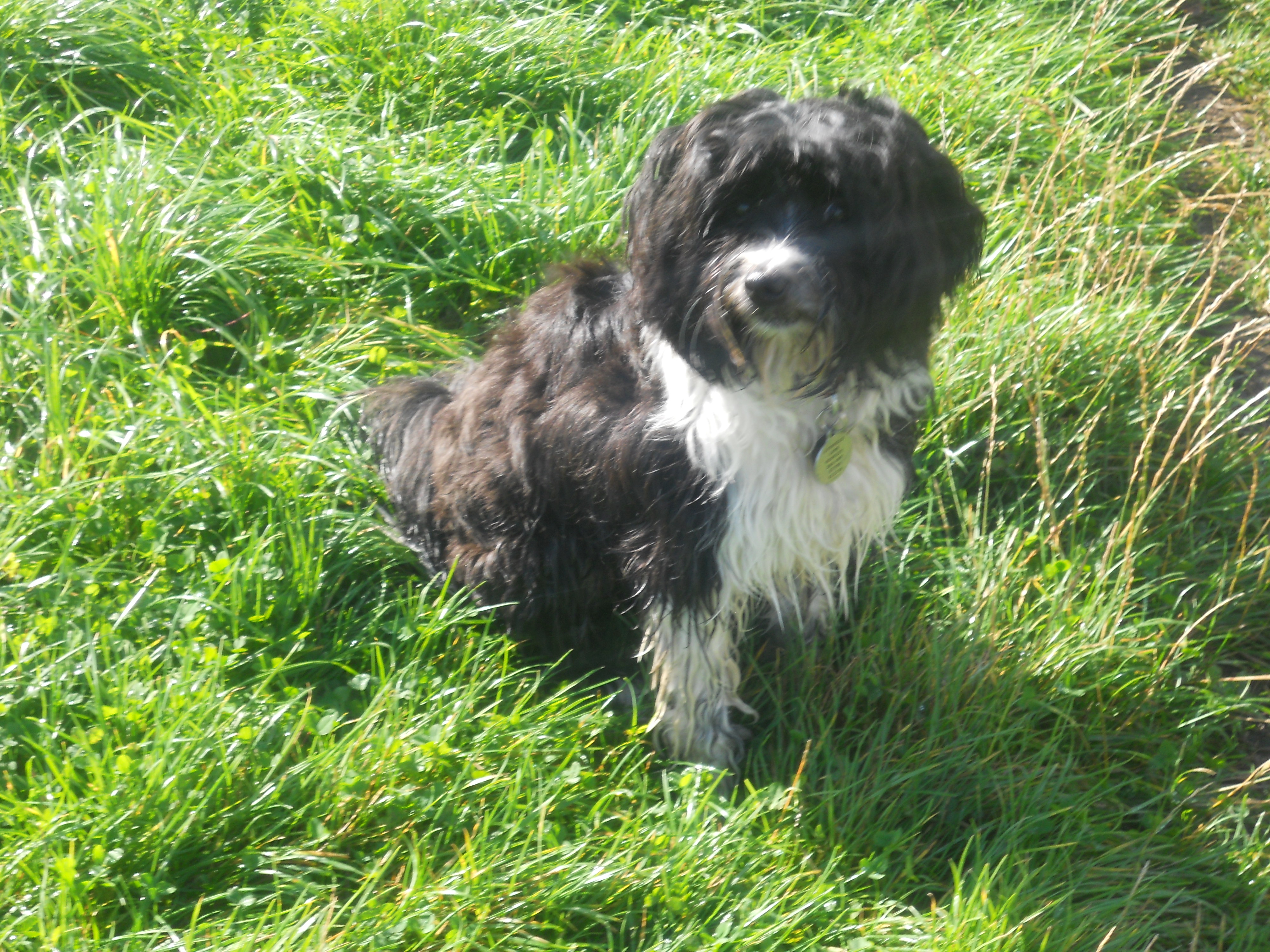
Happy dogs!
Happy dogs!
DSCN2049
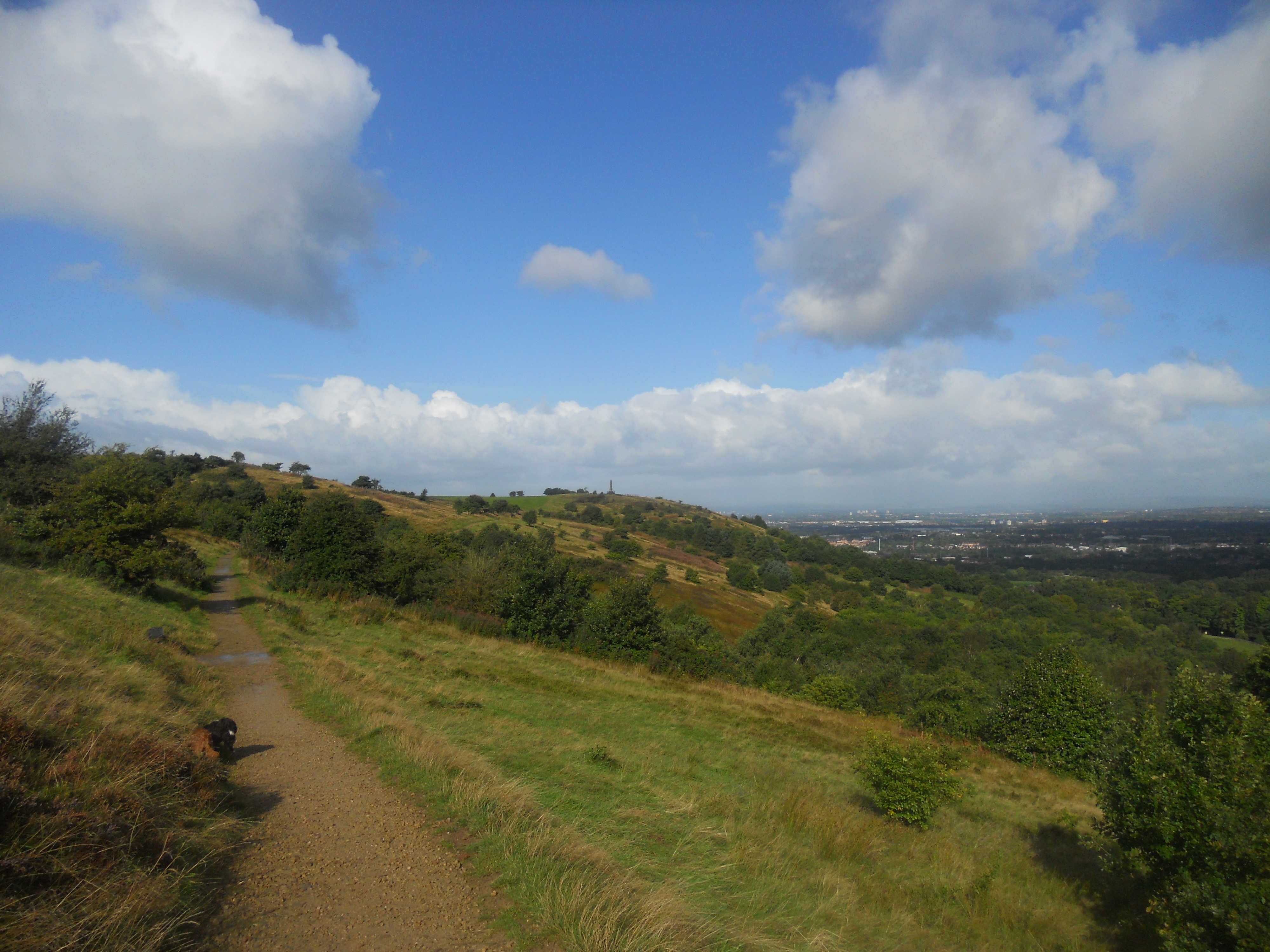
Beautiful Walks.
Beautiful Walks.

The local areas I work/ cover in is Romiley , Stockport , Woodley, Bredbury , Hyde , Gee Cross , Hazel Grove , Godley , Wilmslow , Disley , Marple , Marple Bridge , Glossop , Poynton , Higher Poynton , New Mills , Hayfield , Whaley Bridge , Mellor. If you are not situated in one of these areas do not hesitate to contact me as other areas are considered. These do not apply for home boarding.

Aussie Dog Care Email : ATHOMPS1@sky.com

Aussie Dog Care Facebook : https://www.facebook.com/AussieDogCareUk for updates when you go away for peace of mind as well as some walking clients.

Aussie Dog Care Twitter : https://twitter.com/AussieDogCare

Aussie Dog Care

The Best Care For Your Furry Friends.

Tailoring to your needs.

Etherow Park Country Park , Brabyn’s Park and more!

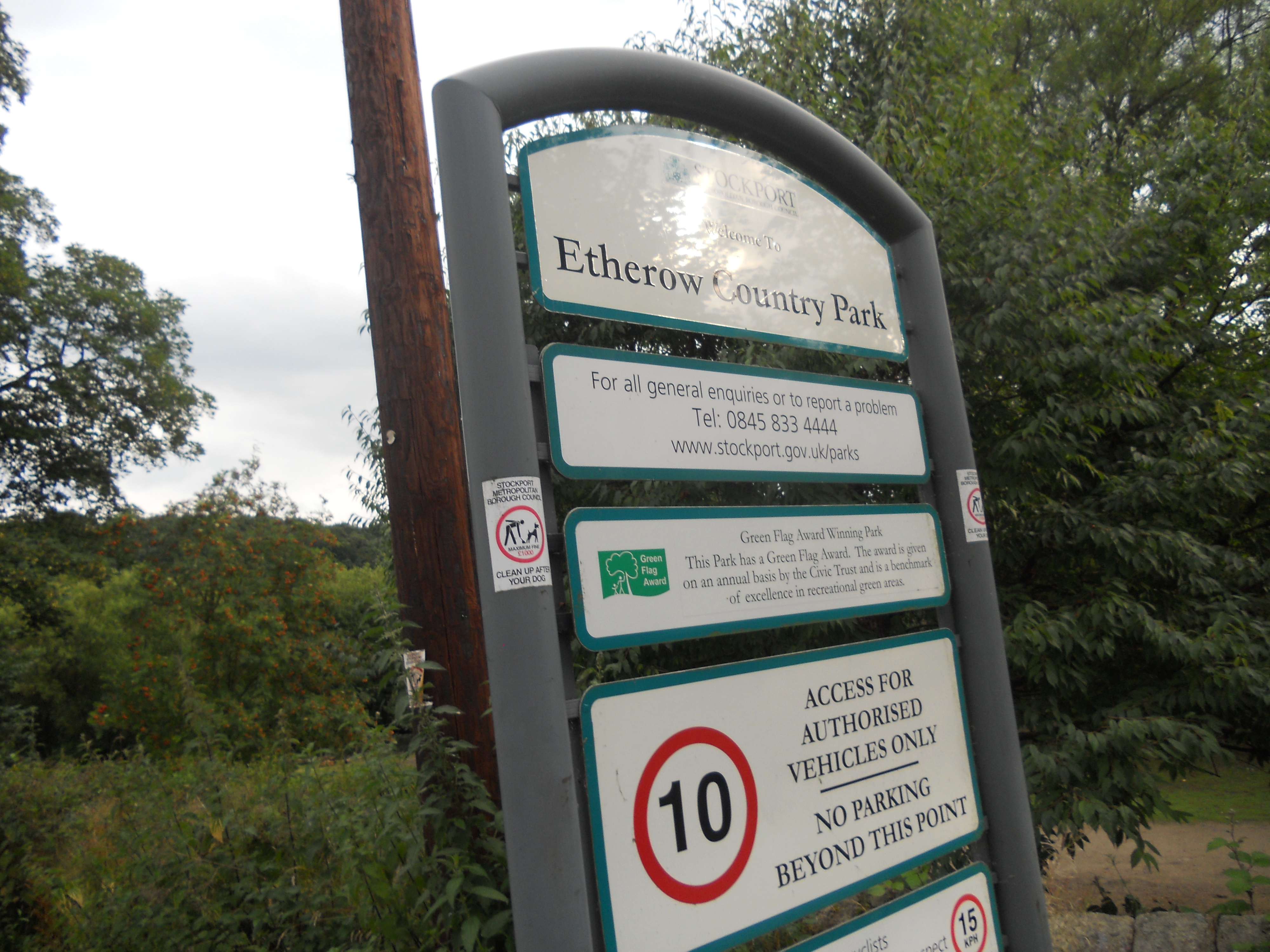
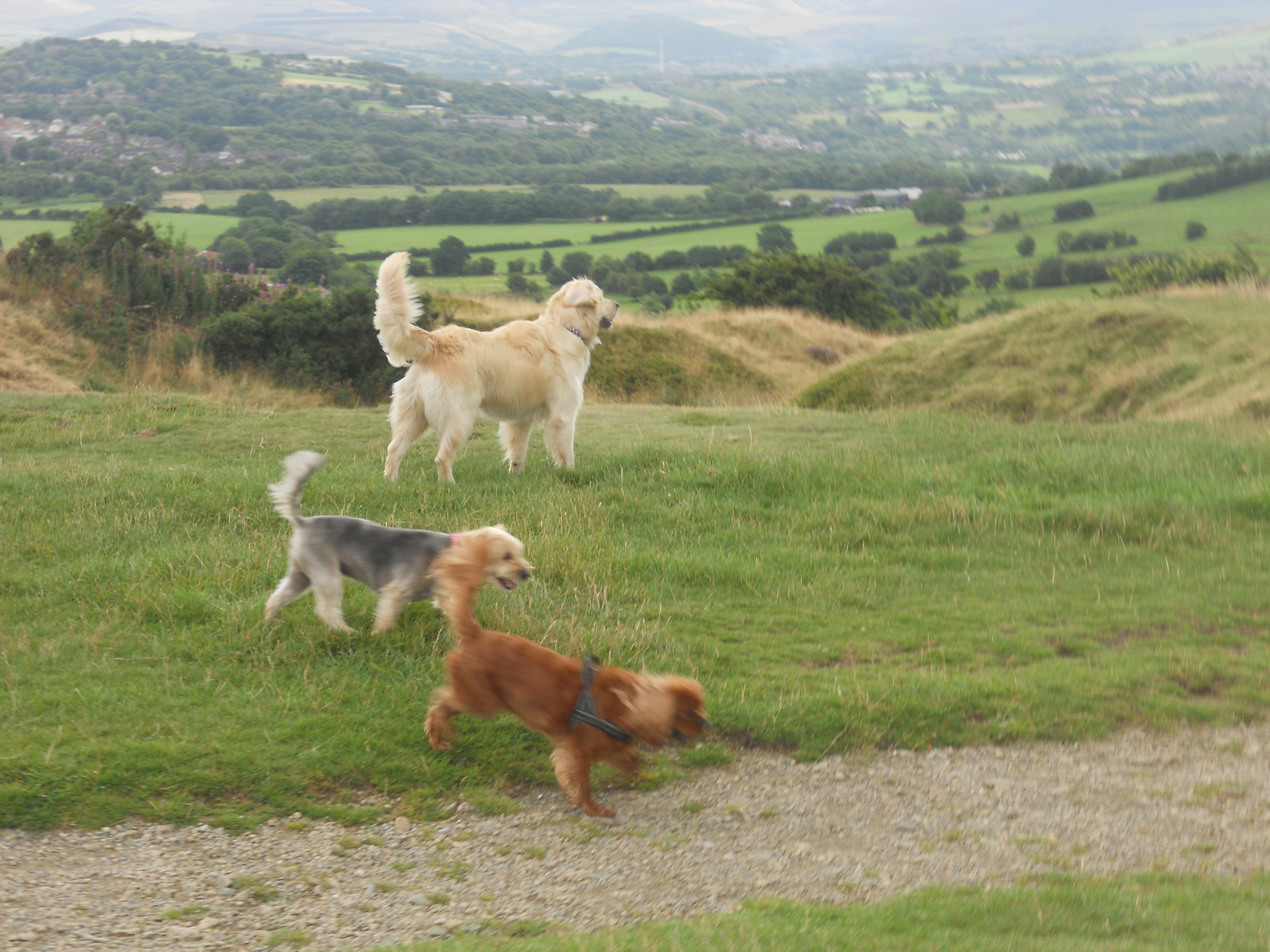
Lovely Pictures from dog walks around our local area one of which is Etherow Country Park.

At Aussie Dog Care we are lucky to beautiful wildlife spots around our area ! For Example Werneth Low Country Park , Brabyn’s Park and Etherow Park are all less than a 30 minute walk away from our ‘base’ .

Etherow Country Park.
Werneth Low Country Park.
Walkies.
Walkies.
Brabyn's Park , Marple
Brabyn’s Park , Marple
Werneth Low.
Werneth Low.

I love taking out dogs on proper walks that they deserve as well as giving them all the love and attention they need!

Aussie Dog Care offers the best care for your furry friends with luxury accommodation for home boarding , beautiful walks and pet sitting and more.

Fully licensed , CRB checked and insured along with a First Aid Certificate in Canine First Aid , rest assured your pet is in safe hands.

Aussie Dog Care Facebook : https://www.facebook.com/AussieDogCareUk for updates when you go away for peace of mind as well as some walking clients.

Aussie Dog Care Twitter : https://twitter.com/AussieDogCare


The Areas I work in/cover is Romiley , Stockport , Woodely , Bredbury , Hyde , Gee Cross , Hazel Grove , Godley , Wilmslow , Disley , Marple , Marple Bridge , Glossop , Poynton , Higher Poynton . If you are not situated in one of these areas do not hesitate to contact me as other areas are considered.

Copyright (C) 2012/2013 by Juliet Thompson all rights reserved.

Spinone Italiano

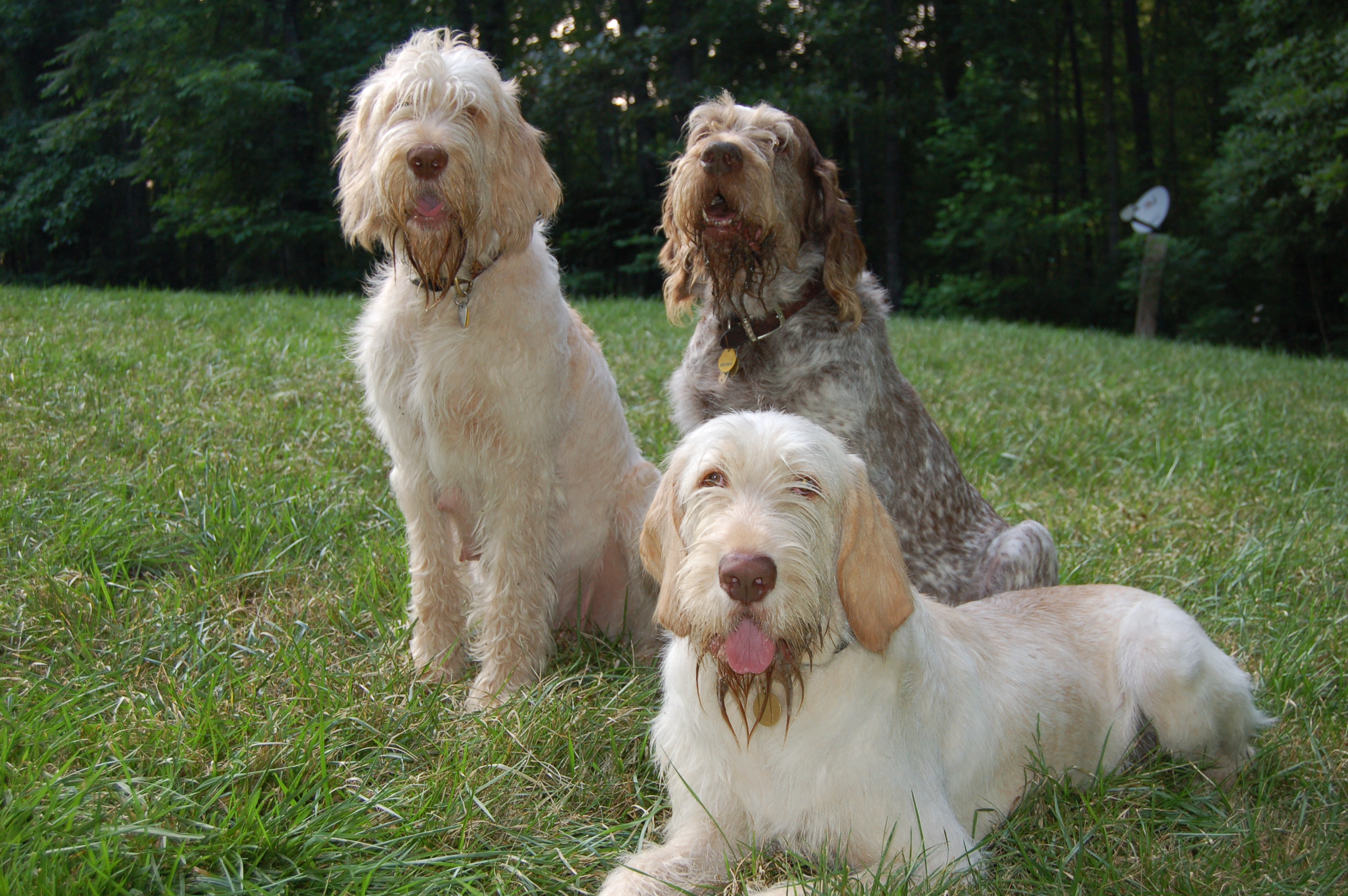
A breed not many people have heard of the  Spinone Italiano ! They have a fantastic temperment so below is some of the History!

1070051_499814546767515_967919180_n

Opinions vary widely concerning the origins of this dog. Some believe that he is descended from the same stock as the Setter and that climate alone has affected the development of his thick coat. However, since relatively ancient times, we find the Setter and the Spinone prevalent in the same areas, and for this reason this theory becomes untenable. Other commentators believe the Spinone to stem from the Coarsehaired Segugio, well known throughout the Piedmont. Nevertheless some writers claim that the Spinone was prevalent beyond the Piedmont, in Venetia, Dalmatia, Istria and as far as the Danube, which would support the theory that the Spinone came from the East.

Tale, a dog expert, states that about a hundred years ago the Roan Spinone, was especially well known in Lombardy and Venetia, and that this variety with longer hair than the classic Spinone and with silky hair on the ears and forehead is still extant. Although some experts are convinced that the Spinone is a cross with a Griffon, he is probably the true Spinone of the Julian and Graie Alps which, having come from Russia, later spread into Lombardy and Venetia. All this is in opposition to Tschudy’s statements, namely that during the Roman era the Setter was developed in Italy. The Italian Coarsehaired Setter had origins comparable to the Pointer in Italy, where Greek traders and others from the western Adriatic Coast brought Coarsehaired Setters in ancient times. The Coarsehaired Setter was called the Spinone. This breed was formed by cross breeding an imported Coarsehaired Setter and a white Mastiff of those already prevalent along the coasts of Italy.

In 1981 four Spinoni were imported by Mrs Mary Moore (Odivane) and from the progeny of these four dogs the breed was firmly established in the U.K. Owing to this increasing popularity, the Kennel Club granted the Spinone Championship status in 1994, i.e. in simple terms, removed their original classification as a Rare Breed. With Challenge Certificates now on offer at several shows during the year, the Spinone already has a number of Show Champions amongst its ranks. In his country of origin the Spinone is certainly not a Rare Breed, but an ancient and highly valued gundog in the custody of real breed enthusiasts. The Spinone’s working style is characterised by his wonderful fast trotting gait, which enables him to methodically hunt a large area. He is adaptable to any kind of ground, but is at his best in woods and marshland. With his thick skin and coarse coat, he will face any cover and is a strong and willing retriever from water.

All these qualities combined with his gentle nature make the Spinone a great companion for the rough shooter. The Spinone is distinguished by his markedly sweet and almost human expression – his demeanour is almost human too’ He thrives on companionship and can become somewhat despondent if left alone for too long. He is not a dog you can shout and scream at, but with a soft yet firm voice you will gain his respect. He has a wonderful memory of places and people and holds a special affinity with children. The Spinone is a country dog at heart, enjoying free exercise and having the stamina to work all day, but he will happily settle with the family by the fireside. In his first year, when obedience training and socialisation with other dogs and people is a must, he may be destructive and headstrong, but perseverance with gentle but firm training will produce positive results as he passes through adolescence around 18 months of age.

The Spinone enjoys his food and has been known to help himself if the situation arises! His strong scenting ability may occasionally lead him astray, both as a thief and as a hunter on his walks. Most owners see an improvement in the latter as their Spinone matures but generally little change in the former throughout his life. He can be prone to weight gain in maturity when regular and varied exercise is a must. A little larger than the average Retriever, the Spinone male can reach 27.5″ at the withers when mature, the females an inch or two less. The breed standard states 32 to 37 kgs as the weight margin of the male but in reality many exceed 40 kgs. So before rushing out to buy a Spinone you must ask yourself if your environment is suitable for a large dog. If you are still convinced that the Spinone is the breed for you, then take your time and view as many adult Spinoni as you can before being smitten by the appeal of young puppies.” Quoted from http://www.italianspinone.co.uk/

Italian Spinone Club of Great Britain – http://www.italianspinone.co.uk/

The local areas I work/ cover in is Romiley , Stockport , Woodley, Bredbury , Hyde , Gee Cross , Hazel Grove , Godley , Disley , Marple , Marple Bridge , Glossop , Poynton , Higher Poynton , New Mills , Hayfield , Whaley Bridge , Mellor. If you are not situated in one of these areas do not hesitate to contact me as other areas are considered. These do not apply for home boarding.

Aussie Dog Care Email : ATHOMPS1@sky.com

Aussie Dog Care Facebook : https://www.facebook.com/AussieDogCareUk for updates when you go away for peace of mind as well as some walking clients.

Aussie Dog Care Twitter : https://twitter.com/AussieDogCare

Aussie Dog Care

The Best Care For Your Furry Friends.

Tailoring to your needs

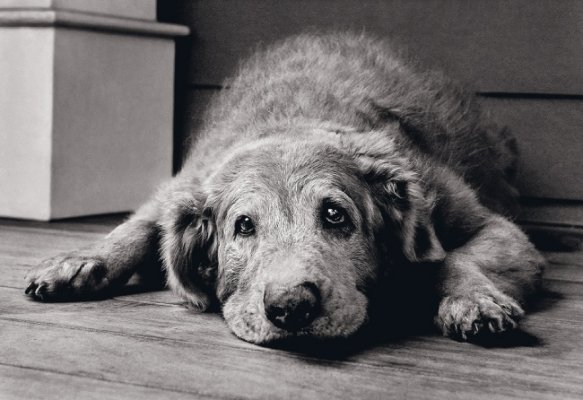
House-training an older dog.

At Aussie Dog Care we realise it is not just puppies that need house training so therefore he are some amazing tips from the Blue Cross.

Below information quoted from http://www.bluecross.org.uk/1958-2786/house-training-an-adult-dog.html

Oldies helps find older dogs a new home – http://www.oldies.org.uk/”

From http://vvicrew.com/teaching-old-dogs-new-tricks/

What to do

Before starting the new routine

Carefully clean all areas your dog has previously soiled using a warm solution of biological washing powder (for example, a teaspoon of powder dissolved in a cup of warm water) or a specially formulated product from your vet, which will remove all traces of the smell from your house.

Every day

When you first wake up, last thing at night and every hour during the day, take your dog outside to a place in your garden that you have chosen and let your dog walk up and down or run about and sniff the area (both exercise and sniffing helps stimulate elimination).

Put soiled newspaper or faeces in this area so that the smell tells your dog where to go next time. Stay out with your dog and patiently walk up and down for at least five minutes. If your dog starts to go to the toilet, give praise. It is important that, for the first two weeks, there is constant supervision so that your dog cannot go to the toilet in the house.

During the times that you cannot supervise your dog or when you go to sleep, confine the dog to bed. You need to find a suitable way to do this, either by restricting them to bed with a barrier, or investing in an indoor kennel. A dog will become accustomed to this, without making a noise or trying to break out, when left there for short periods of time.

Few dogs soil their own bed and, if confined to bed, they are unlikely to relieve themselves. Although it is unfair to confine them for long periods, this does provide a way of preventing them from soiling the house for short periods when you cannot supervise. This avoids perpetuating bad habits at times when you need to concentrate on other things.

Between trips to the garden, supervise your dog continually when in the house. This means keeping your dog in view at all times and being aware of what the dog is doing. When unable to supervise, confine them to bed, but do not leave your dog there for long periods of time.

When you see your dog about to toilet in the house

If about to go to the toilet indoors, take your dog immediately to your chosen place in the garden and praise the dog by giving a food treat or a game with a favourite toy. It is essential your dog associates going to that place with a reward. Catching in time means your dog will still need to go. Wait until the dog has performed and praise well.

When you find a puddle or mess

Do not punish your dog for any “accidents” discovered too late. It may make you feel better but it is most unpleasant for your dog and ultimately does not teach anything. Consider that these accidents are now your fault rather than the dog’s since you were not supervising closely enough.

You need to continue with this routine for at least two weeks. During this time, your dog learns about getting praise for going to the toilet outside and, since there is no chance to go inside, the habit of going outside develops. Throughout these first two weeks and for a while afterwards, continue to go out with your pet to the garden in order to praise them until the training is firmly established in your dog’s mind.

After two weeks of the above routine, gradually increase the time between visits to the garden. Your dog will eventually want to go to the toilet at a time other than the one you select. At this time, your dog will probably become more active or may wander over to the door. Watch for a change in behaviour and take the dog out quickly. Gradually, as you begin to be able to recognise the signs that mean your dog needs to go, you can relax your supervision in the house.

Specific signals that indicate that your dog wants to go out may include running to the door, whining or just being generally restless. Reinforce these signals by letting your dog out and the dog will soon be asking to go out whenever the toilet is needed. House training will happen more easily if you keep to the same pattern of feeding and exercising each day.

At night

The easiest solution is to position your dog’s bed somewhere outside your bedroom door and confine your pet in the usual way. Leave your bedroom door open so that if your dog wakes up and needs to go during the night, you will hear whining or moving around. Get up and take your dog outside, following all the daytime procedures. Confine your dog to the bed once more when you come back in.

Do not leave a dog confined to bed all night without you being available to go out when the dog really needs to go. Not only is this unkind but, if you force your dog to mess in the bed, the dog may develop a habit of doing this and you have lost the chance of teaching your dog to be clean.

If your dog is likely to bark when left in the bed at night, either allow this for a few nights and ignore the barking (your dog eventually learns barking is not rewarded and ceases to do it) or teach your dog to get used to being confined to the bed more gradually, during the day, so that your dog can tolerate it at night.

When you go out

If going out for less than two hours, you could leave the dog confined to bed in the usual way, but ensure the animal cannot be hurt when confined. Make sure your dog had the chance to exercise and go to the toilet before doing so. If you will be out for two hours or longer, do not confine your dog. Leave the pet in one room only and cover as much of the floor area as possible with a large sheet of polythene covered with newspaper.

This does not teach your dog to be clean but makes any mess easier to clean up and prevents the house becoming soiled. Do not scold or punish if you find that your dog has gone to the toilet on the floor when you return.

“He knows he has done wrong!”

Some owners comment, “He knows he has done wrong, because he looks guilty”. In fact, the dog has learned that if humans walk into a room where there is a mess on the floor, a telling off or punishment follows. Your dog is actually showing submission to you, hoping you obey the law of the pack and stop your aggression. Unfortunately, a submissive posture can look like a guilty one to us and we often mistakenly believe the dog knows what they have done is wrong. We then conclude that any mess in the house is done on purpose or because the dog is too lazy to go outside. We are likely to punish more as a result, which often makes the problem worse.

“Don’t go when humans are around”

Some dogs learn just one thing about house training – that it is wrong to go to the toilet in the house in front of their owners. This is because they would have been scolded or punished if caught in the act of going in the house. Puppies are often put out into the garden and left there. Once outside, a puppy that finds being alone very uncomfortable concentrates on getting back inside to the owner, rather than learning to go to the toilet outside.

Hence, dogs often learn that it is wrong to go in the presence of humans but never learn that it is wrong to go in the house. Consequently, the only option is to wait until the owner is not looking or sneak away into another room when they want to relieve themselves.”


The local areas I work/ cover in is Romiley , Stockport , Woodley, Bredbury , Hyde , Gee Cross , Hazel Grove , Godley , Disley , Marple , Marple Bridge , Glossop , Poynton , Higher Poynton , New Mills , Hayfield , Whaley Bridge , Mellor. If you are not situated in one of these areas do not hesitate to contact me as other areas are considered. These do not apply for home boarding.

Aussie Dog Care Email : ATHOMPS1@sky.com

Aussie Dog Care Facebook : https://www.facebook.com/AussieDogCareUk for updates when you go away for peace of mind as well as some walking clients.

Aussie Dog Care Twitter : https://twitter.com/AussieDogCare

Aussie Dog Care

The Best Care For Your Furry Friends.

Tailoring to your needs